

Natural Remedies for Joint Pain Relief: Embracing Nature's Healing Touch

Updated: 3 days ago
Understanding Joint Pain
Before diving into remedies, it is essential to understand what causes joint pain. Common causes include:
Arthritis: Inflammation of the joints, which can be osteoarthritis or rheumatoid arthritis.
Injury: Trauma to the joint can lead to pain and swelling.
Overuse: Repetitive movements can strain the joints.
Age: As we age, cartilage wears down, leading to pain.
Recognizing the underlying cause of your joint pain can help you choose the most effective natural remedy.
The Power of Natural Remedies
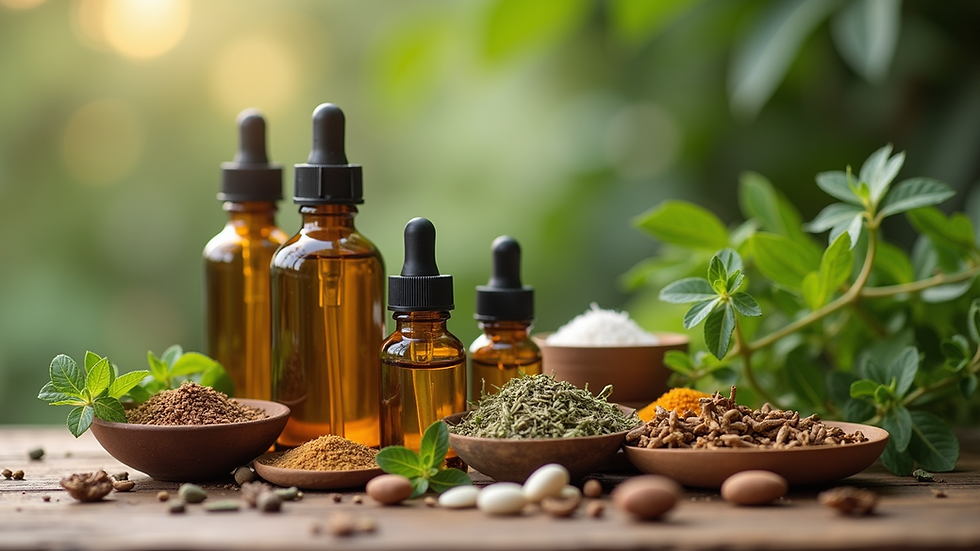
Natural remedies offer a gentle and holistic approach to managing joint pain. They can provide relief without the side effects often associated with pharmaceutical options. Here are some effective remedies to consider:
1. Turmeric
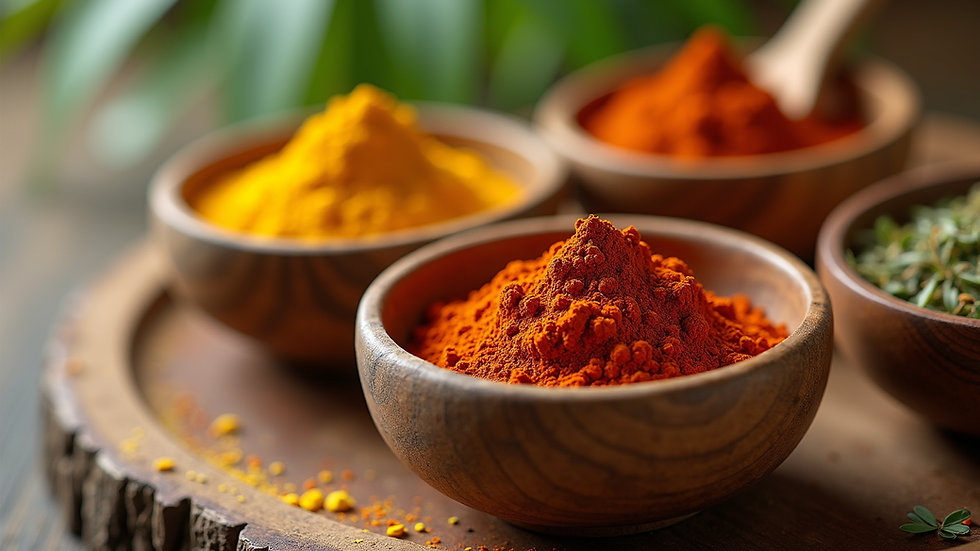
Turmeric is a spice that contains curcumin, a compound known for its anti-inflammatory properties. Research suggests that curcumin can help reduce joint pain and improve mobility in individuals with arthritis.
How to Use:
Turmeric Tea: Boil water and add a teaspoon of turmeric powder. Let it steep for 10 minutes, then strain and enjoy.
Turmeric Supplements: Available in capsule form, these can be taken daily as directed.
2. Ginger
Ginger is another powerful anti-inflammatory agent. Studies have shown that ginger can help reduce pain and improve function in people with osteoarthritis.
How to Use:
Ginger Tea: Slice fresh ginger and steep it in hot water for 10 minutes. Add honey for sweetness.
Ginger Oil: Massage ginger oil onto the affected joint for relief.
3. Omega-3 Fatty Acids
Omega-3 fatty acids, found in fish oil and flaxseeds, are known to reduce inflammation. They can help alleviate joint pain and stiffness.
How to Use:
Fish Oil Supplements: Taking fish oil capsules daily can provide the necessary omega-3s.
Flaxseed: Add ground flaxseed to smoothies or oatmeal for a nutritious boost.
4. Epsom Salt Baths
Epsom salt contains magnesium sulfate, which can help reduce inflammation and relieve pain when absorbed through the skin.
How to Use:
Soak in Epsom Salt: Add two cups of Epsom salt to a warm bath and soak for 15-20 minutes.
5. Hot and Cold Therapy
Alternating between hot and cold treatments can help reduce joint pain and swelling.
How to Use:
Cold Packs: Apply a cold pack to the affected area for 15-20 minutes to reduce swelling.
Heat Pads: Use a heat pad or warm towel to relax muscles and improve blood flow.
6. Exercise and Stretching
Regular physical activity can strengthen the muscles around the joints, improving stability and reducing pain. Low-impact exercises like swimming, walking, and cycling are excellent options.
How to Use:
Daily Walks: Aim for at least 30 minutes of walking each day.
Stretching: Incorporate gentle stretching exercises to maintain flexibility.
7. Herbal Remedies
Several herbs have been shown to provide relief from joint pain. Some popular options include:
Boswellia: Known for its anti-inflammatory properties, boswellia can be taken as a supplement.
Devil's Claw: This herb has been used traditionally to treat pain and inflammation.
8. Acupuncture
Acupuncture is an ancient practice that involves inserting thin needles into specific points on the body. It can help relieve pain and improve joint function.
How to Use:
Find a Licensed Practitioner: Look for a certified acupuncturist to ensure safe and effective treatment.
9. Weight Management
Maintaining a healthy weight can significantly reduce stress on your joints, especially the knees and hips. Losing even a small amount of weight can lead to noticeable improvements in joint pain.
How to Use:
Balanced Diet: Focus on whole foods, including fruits, vegetables, lean proteins, and whole grains.
Regular Exercise: Combine diet with regular physical activity to achieve and maintain a healthy weight.
10. Mind-Body Techniques
Stress can exacerbate joint pain, so incorporating mind-body techniques can be beneficial. Practices like yoga, meditation, and tai chi can help reduce stress and improve overall well-being.
How to Use:
Yoga Classes: Join a local class or follow online tutorials to practice yoga.
Meditation: Set aside time each day for mindfulness meditation to help manage stress.
Embracing a Holistic Approach
Incorporating these natural remedies into your routine can create a harmonious balance in your life. It is essential to consult with a healthcare professional before starting any new treatment, especially if you have existing health conditions or are taking medications.
By embracing these natural solutions, I find that I can take proactive steps toward managing joint pain and improving my quality of life. Remember, consistency is key, and finding the right combination of remedies may take time. Start small, listen to your body, and make adjustments as needed. Your journey to joint pain relief begins today!
Conclusion
Natural remedies for joint pain relief can provide effective alternatives to traditional medications. From turmeric and ginger to exercise and acupuncture, there are numerous options to explore. By integrating these remedies into daily life, I can foster a sense of well-being and vitality.
The path to relief is often a personal journey. Each individual may respond differently to various treatments. Therefore, I encourage you to explore these natural options with an open heart and mind. Your body deserves the care and attention that these remedies can offer.
Let us embrace the healing power of nature together and find joy in the journey toward wellness.
Comments