

Discover Herbal Solutions for Muscle Care

Muscle care is essential for everyone, whether you are an athlete, a fitness enthusiast, or someone who simply wants to maintain a healthy lifestyle. While conventional treatments like pain relievers and anti-inflammatory medications are widely used, many people are turning to herbal solutions for muscle care. These natural remedies can provide relief from soreness, reduce inflammation, and promote overall muscle health without the side effects often associated with pharmaceuticals. In this blog post, we will explore various herbal solutions that can help you take care of your muscles effectively.

Understanding Muscle Care
Before diving into herbal solutions, it’s important to understand what muscle care entails. Muscle care involves practices aimed at maintaining muscle health, preventing injuries, and promoting recovery after physical activity. This can include:
Stretching: Helps improve flexibility and reduce the risk of injury.
Strength Training: Builds muscle strength and endurance.
Rest and Recovery: Essential for muscle repair after exertion.
Nutrition: Proper diet supports muscle function and recovery.
Incorporating herbal solutions into your muscle care routine can enhance these practices and provide additional benefits.
The Benefits of Herbal Solutions
Herbal remedies have been used for centuries in various cultures for their healing properties. Here are some benefits of using herbal solutions for muscle care:
Natural Ingredients: Herbal remedies are derived from plants, making them a more natural alternative to synthetic medications.
Fewer Side Effects: Many herbal solutions have fewer side effects compared to conventional drugs.
Holistic Approach: Herbs often address the root cause of muscle issues rather than just masking symptoms.
Accessibility: Many herbs can be easily grown at home or found in local health stores.
Popular Herbal Remedies for Muscle Care
1. Arnica
Arnica is a well-known herb used for its anti-inflammatory and pain-relieving properties. It is commonly applied topically in the form of gels or creams. Arnica can help reduce swelling and bruising, making it an excellent choice for muscle soreness after workouts or injuries.
How to Use: Apply arnica gel directly to the affected area two to three times a day. Avoid using it on broken skin.
2. Turmeric
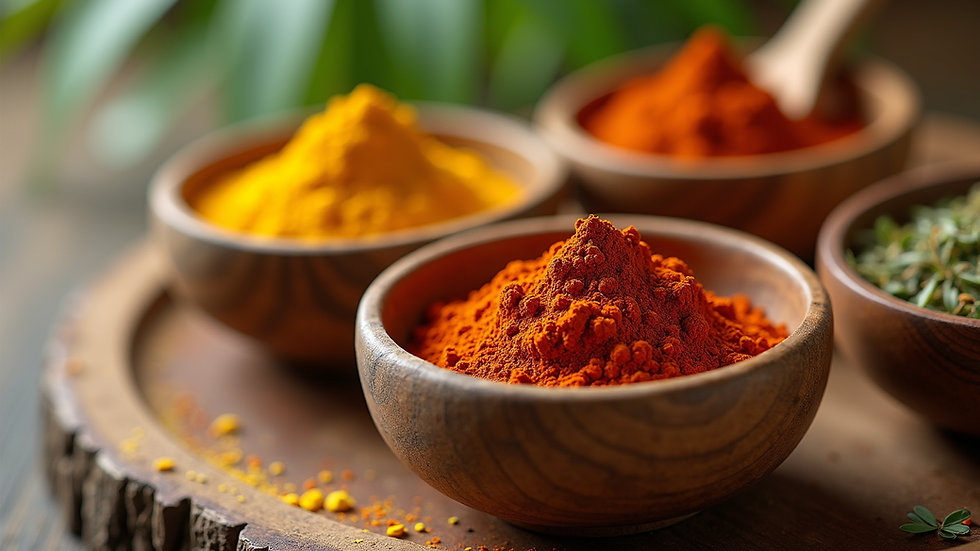
Turmeric contains curcumin, a powerful anti-inflammatory compound. It can help alleviate muscle pain and stiffness, especially after intense physical activity. Turmeric can be consumed as a spice in food, taken as a supplement, or made into a tea.
How to Use: Add turmeric powder to smoothies, soups, or golden milk. For supplements, follow the recommended dosage on the label.
3. Ginger
Ginger is another potent anti-inflammatory herb that can help reduce muscle pain and soreness. It is often used in traditional medicine for its analgesic properties.
How to Use: Fresh ginger can be added to teas, smoothies, or meals. Ginger supplements are also available for those who prefer a concentrated form.
4. Eucalyptus
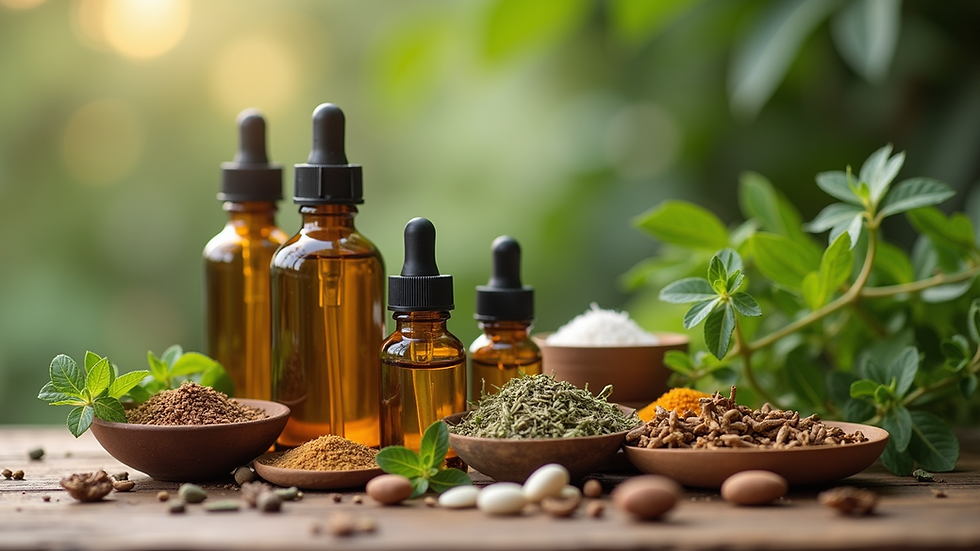
Eucalyptus oil is known for its soothing properties and is often used in massage oils. It can help relieve muscle tension and promote relaxation.
How to Use: Dilute eucalyptus oil with a carrier oil (like coconut or olive oil) and massage it into sore muscles.
5. Peppermint
Peppermint oil has a cooling effect that can provide immediate relief from muscle soreness. It also has anti-inflammatory properties that can help reduce swelling.
How to Use: Mix a few drops of peppermint oil with a carrier oil and apply it to the sore area.
Incorporating Herbal Solutions into Your Routine
To effectively incorporate herbal solutions into your muscle care routine, consider the following tips:
Consult with a Professional: Before starting any new herbal remedy, consult with a healthcare provider, especially if you have existing health conditions or are taking medications.
Start Slowly: Introduce one herbal remedy at a time to monitor how your body reacts.
Combine with Other Practices: Use herbal solutions alongside stretching, strength training, and proper nutrition for optimal results.
Stay Consistent: Regular use of herbal remedies can yield better results over time.
Precautions and Considerations
While herbal solutions can be beneficial, it’s important to take precautions:
Allergies: Be aware of any allergies you may have to specific herbs.
Interactions: Some herbs can interact with medications, so always check with a healthcare professional.
Quality Matters: Choose high-quality herbal products from reputable sources to ensure safety and efficacy.
Conclusion
Herbal solutions offer a natural and effective way to care for your muscles. From arnica to peppermint, these remedies can help alleviate pain, reduce inflammation, and promote recovery. By incorporating these herbs into your muscle care routine, you can enhance your overall well-being and support your active lifestyle. Remember to consult with a healthcare provider before starting any new herbal treatments, and enjoy the benefits of nature’s remedies for muscle care.
By embracing these herbal solutions, you can take a proactive approach to your muscle health and enjoy a more active, pain-free life.
Comments